Reasons to Select an Aluminum Foundry? Top Reasons to Consider for Your Next Project
Opting for an aluminum foundry for a project provides several advantages. The lightweight nature of aluminum boosts efficiency while cutting costs. Its high strength-to-weight ratio allows for precise casting, making it ideal for intricate designs. Additionally, aluminum's built-in corrosion resistance leads to minimal maintenance demands. These qualities underscore its increasing popularity in numerous industries. Yet, the benefits reach further than these characteristics, encouraging a deeper look of what aluminum foundries are able to provide.
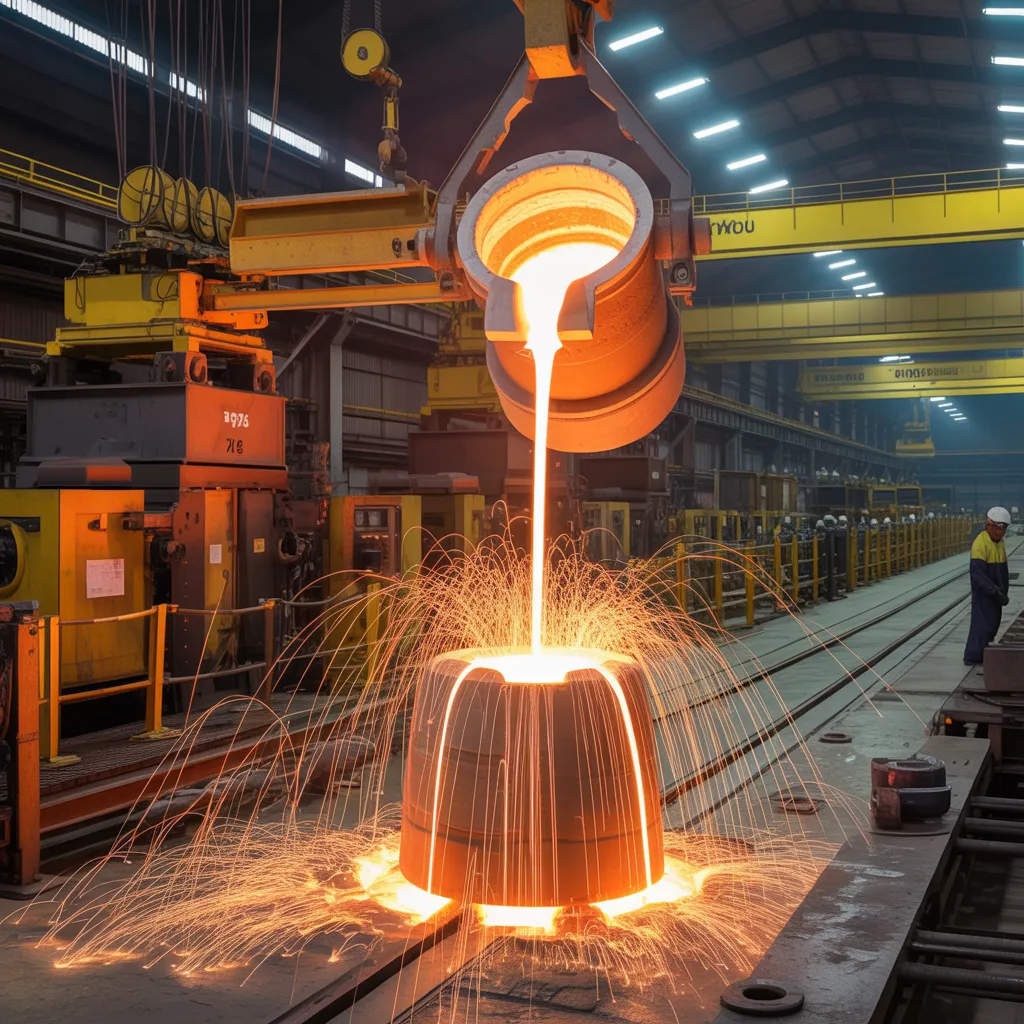
The Weight-Saving Benefits of Aluminum Foundries
This versatile metal, celebrated for its exceptional lightweight characteristics, serves a critical role in numerous industries, establishing aluminum foundries as an essential choice for manufacturers. The inherent lightness of aluminum get details on this enables substantial reductions in overall component weight, which can enhance efficiency and performance across applications. This is especially valuable in industries such as aerospace, automotive, and construction sectors, where minimizing weight is of utmost importance.
Furthermore, the ease of fabrication provided by aluminum allows foundries can produce complex shapes and designs without undermining material strength. This adaptability allows manufacturers to develop and produce elements that meet specific performance criteria while minimizing material consumption.
Additionally, lightweight parts provide fuel efficiency and emission reductions in transit applications, advancing eco-friendly initiatives. The reduced-mass benefits of aluminum foundry processes not only supports present-day fabrication standards but also aligns with the growing emphasis on eco-conscious methods across various industries.
Why Are Aluminum Components Strong and Reliable?
Aluminum components are known for their impressive strength and reliability, blending lightweight qualities with extraordinary long-lasting performance. Their inherent corrosion resistance further enhances their longevity, making them suitable for various applications. Advanced casting methods enable the production of complex designs while preserving structural integrity.
Lightweight Yet Durable
Lightweight materials frequently pose a contradiction in terms of strength and durability. Aluminum, given its low density, emerges as an outstanding option for numerous applications. Its strength-to-weight ratio ranks among the highest of any metal, enabling sturdy components without the unnecessary burden of weight. This property is especially advantageous in sectors such as aerospace and automotive, where performance and efficiency are critical. Additionally, aluminum's ability to withstand significant stress without deforming enhances its reliability in demanding environments. The metal's unique properties enable the creation of complex, intricate shapes, further expanding its utility in engineering. In summary, aluminum components offer a blend of lightweight design and reliable strength, establishing them as a favored choice for varied projects.
Corrosion Resistance Benefits
Corrosion resistance is a key attribute that enhances the strength and reliability of aluminum components. Unlike numerous metals, aluminum spontaneously generates a protective oxide layer when in contact with air, stopping further oxidation. This quality permits aluminum to resist diverse environmental factors, including humidity and salt, making it exceptionally suited for use in marine and industrial environments. The longevity of aluminum components reduces maintenance costs and enhances overall project durability. Additionally, the ability to resist corrosion without the need for protective coatings simplifies manufacturing processes. Therefore, industries from automotive to aerospace are progressively depending on aluminum for its structural strength, lightweight characteristics, and remarkable resistance to corrosion, ensuring long-term component integrity.
Accurate Casting Methods
The robustness and consistency of aluminum components stem significantly from high-level precision casting processes. These methods, such as investment casting, sand casting, and die casting, guarantee that the final products meet stringent specifications. By leveraging CAD and CNC machines, manufacturers can achieve intricate shapes and tight tolerances, which enhance structural integrity. Furthermore, precision casting minimizes waste material and optimizes the use of aluminum, contributing to cost-effectiveness. The controlled cooling processes involved in these techniques also reduce the likelihood of defects, assuring uniformity in strength across components. Consequently, the application of precision casting techniques positions aluminum components as dependable choices for a range of industries, including construction, automotive, and aerospace.
How Does Corrosion Resistance Enhance Longevity?
Although numerous materials deteriorate due to environmental conditions, aluminum excels due to its remarkable resistance to corrosion. This property considerably extends the longevity of aluminum elements, making them well-suited for a wide range of applications, including marine, automotive, and aerospace industries. Aluminum's natural oxide layer establishes a safeguarding layer that prevents further oxidation, guaranteeing that even in demanding environments, the alloy preserves its structural strength.
The Sustainability of Aluminum Foundries
Aluminum foundries serve a vital function in advancing sustainability through the recyclability of aluminum, which can be repurposed indefinitely while retaining its original quality. Their energy-saving production techniques considerably decrease energy consumption compared to competing materials, contributing to a reduced carbon footprint. This set of approaches identifies aluminum foundries as environmentally sound selections in modern manufacturing.
Aluminum Recyclability
Aluminum recycling serves as a foundation of eco-conscious practices in contemporary manufacturing. Aluminum possesses an impressive capability to undergo continuous recycling cycles while retaining its quality, making it an ideal material for environmentally conscious projects. Aluminum foundries serve a critical function in this cycle, collecting scrap aluminum and converting it into fresh materials. This not only conserves natural resources but also greatly reduces energy consumption compared to primary aluminum production. Additionally, the recycling process generates fewer emissions, aligning with global sustainability goals. As more industries embrace green practices, the recyclable nature of aluminum amplifies its attractiveness, confirming that working with aluminum foundries supports and advances a circular economy model. This dedication to recycling highlights aluminum's vital role in environmentally responsible manufacturing.
Energy-Efficient Production Methods
The environmental responsibility of aluminum foundries extends beyond material recyclability, including sustainable production practices that significantly reduce environmental impact. These manufacturing plants utilize cutting-edge techniques such as low-energy melting and casting techniques, which greatly reduce power usage. Additionally, several operations leverage renewable energy sources, while bolstering their dedication to eco-friendly practices. Advanced furnace designs optimize heat retention and minimize waste, resulting in reduced running expenses and reduced energy requirements. Beyond this, process improvements, such as accelerated modeling and streamlined resource management, simplify manufacturing while preserving materials. By integrating these eco-conscious techniques, aluminum foundries not only satisfy sector benchmarks but also advance ecological responsibility, making them a responsible choice for producers committed to green manufacturing. Such practices confirm that aluminum stays a relevant material for forthcoming applications.
Decreased Carbon Footprint
While many industries grapple with their environmental impact, aluminum foundries are notable for considerably decreasing their carbon footprint. The production of aluminum, particularly when utilizing recycled materials, is significantly less demanding in terms of energy than that of other metals. This process not only limits carbon emissions but also conserves natural resources. Additionally, advancements in technology allow foundries to employ environmentally friendly production techniques, further reducing their ecological footprint. By focusing on sustainable practices, aluminum foundries support a circular economic model, where materials are reclaimed and redirected, thereby cutting down on unnecessary waste. This commitment to sustainability resonates with environmentally conscious consumers and businesses alike, making aluminum foundries a compelling option for projects aimed at minimizing ecological footprints and advancing sustainable production.
Precision Casting: Attaining Intricate Designs
Precision casting stands out as a fundamental method in the aluminum foundry industry, facilitating the production of intricate designs with outstanding exactness. This method allows fabricators to create intricate shapes that traditional casting techniques struggle to achieve. By using advanced molding technologies, precision casting ensures that each feature is accurately replicated, fulfilling demanding production standards.
The benefits of precision metal casting are notably useful in fields that necessitate superior-grade parts, such as aerospace, automotive, and related industries. The exceptional surface texture and tight tolerances accomplished through this technique minimize the requirement for significant secondary processing, enhancing overall efficiency.
In addition, precision casting minimizes material waste, as it enables optimal utilization of aluminum. This not only contributes to sustainability goals but also produces a more optimized production process. Ultimately, precision casting within aluminum foundries stands as a critical instrument for engineers and designers seeking innovative and high-performance outcomes.
Budget-Friendly Solutions With Aluminum
Discovering economical solutions with aluminum highlights its outstanding adaptability and affordability. This light and durable metal enables lower production expenses, making it a compelling choice for a wide range of applications. The efficiency of aluminum casting processes minimizes material waste, which directly impacts the bottom line. Additionally, aluminum's inherent corrosion resistance and structural durability contribute to decreased maintenance expenditures over the product's service life.
Moreover, aluminum's superior thermal and electrical conductivity can minimize energy costs in uses like heat exchangers and electrical components. Its recyclability also enhances cost-effectiveness; reclaimed aluminum requires only a fraction of the energy needed for primary production, consequently lowering overall project costs.
Opting for aluminum strengthens both the monetary and sustainable aspects of a project, delivering a eco-friendly solution without reducing quality. In summary, the monetary gains, combined with aluminum's exceptional properties, make it a favored choice for innovative and cost-efficient fabrication strategies.
Frequently Asked Questions
Which Industries Frequently Utilize Aluminum Castings?
Aluminum castings are commonly utilized in various industries, including construction, automotive, aerospace, and consumer goods. These industries take advantage of aluminum's corrosion resistance, durability, and lightweight characteristics, rendering it a perfect material for a variety of applications.
How Do Aluminum Foundries Maintain Quality Control?
Aluminum manufacturing foundries guarantee quality control via rigorous testing, such as material composition analysis, dimensional verification, and live monitoring during the manufacturing process. These facilities implement uniform processes and periodic audits to sustain high quality standards and reduce defects in finished cast products.
What Are the Most Frequent Applications of Aluminum Parts?
Frequent applications for aluminum parts include automotive components, aeronautical structures, personal electronics, building materials, and packaging products. These corrosion-resistant, lightweight characteristics make them well-suited for boosting performance and durability across various industries.
Can Aluminum Be Recycled, and How?
Aluminium can undergo endless recycling cycles without any loss of quality. The recycling process involves melting down scrap aluminum, eliminating impurities, and reshaping it into new products, considerably reducing the amount of energy consumed relative to virgin aluminum production.
What Is the Average Lead Time for Aluminum Castings?
The average lead time for aluminum castings spans two to six weeks, depending on factors such as the foundry's workload, part complexity, and order volume, impacting production schedules and overall delivery timelines.